Across most styles and traditional forms, Opening Form has been used to begin a sequence. However, I believe this singular use causes an oversight of the breadth of benefits that Opening Form can provide when used differently.
Prep is when we realign the body before doing Tai Chi. It involves 7 main components.
From the bottom going up the body:
Feet shoulder width apart
Slight bend in the knee
Drop the center
Lower the shoulders by sinking the elbow
Soften the chest
Keep the chin up
Eyes fall about 60 degrees in front
Once the body is properly positioned we then proceed with Opening Form. Generally this move is relegated to the first move of a traditional sequence or Form. These forms range in style from Chen, Yang, Wu, Sun, ect. The Forms consist of 8, 24, 32, 52 moves and up. Let’s look at the possibilities of Opening Form when done in repetitions of 5-10. We discover a myriad of benefits; beginning with mental clarity, increased blood circulation and emotional regulation.
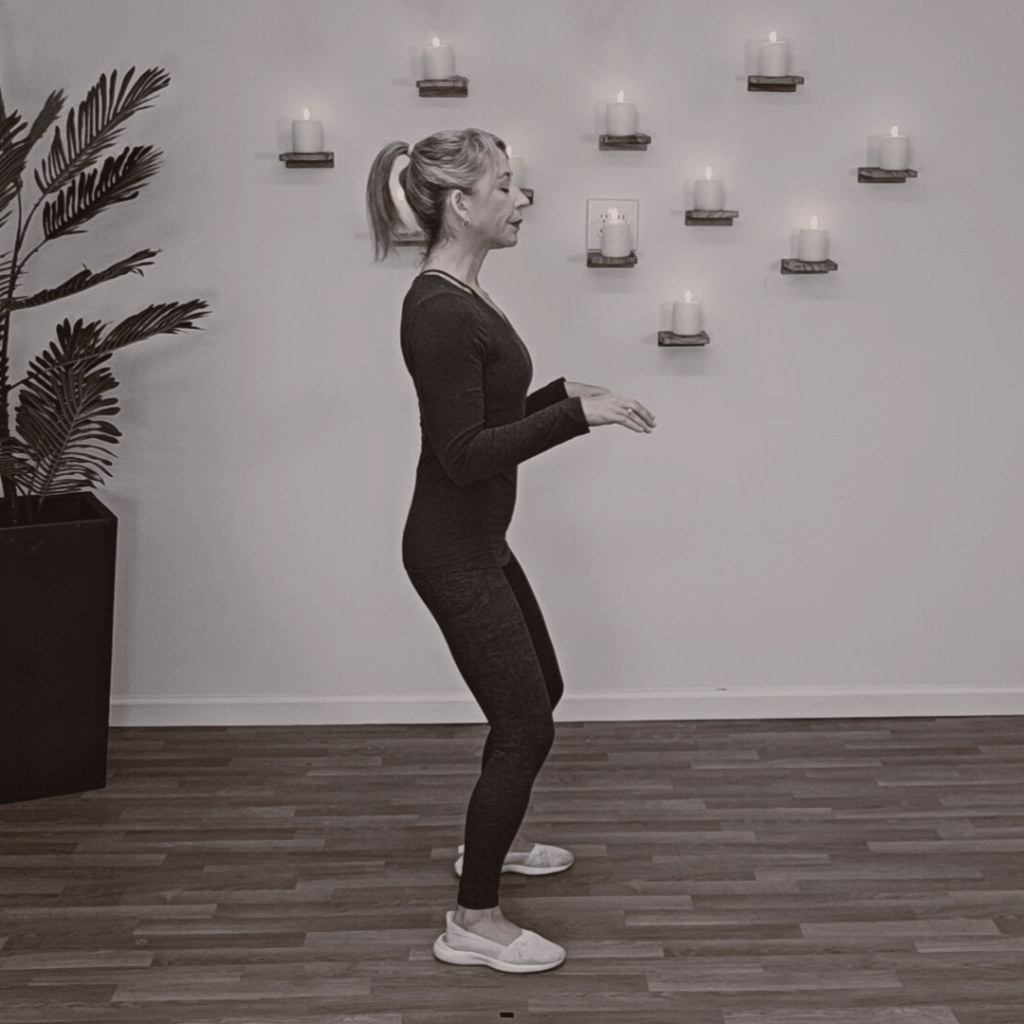
Opening Form can be used as a reset to the various parts of your day.
From initial morning movements we can use O Form to increase blood circulation after hours of stillness. For those with desk jobs at work, O Form can be a wonderful move to break up long periods of sitting, promoting an increase in blood oxygen levels, mental clarity, and coordination of the body. Similarly, when returning home from work and transitioning to the next phase of the day, O Form can provide a mental and physical reset, signaling a change of tasks and focuses. Before bed, O Form can induce relaxation through the act of deep, consistent breathing. This can be very helpful for trying to quiet the mind before rest.
Opening Form can be used as a tool for emotional regulation.
As children we were told to count to ten. As adults, it is still good advice but let’s take it a bit further. When we pair our breathing (and counting) with a movement, the benefits deepen. Giving the body something to do does actually increase the somatic experience. Many scientific studies have been done on the effects of engaging the body through physical activity, rhythmic movement, or sensory grounding—which aids in emotional regulation by lowering stress hormones (cortisol), altering brain activity in emotional centers, and facilitating trauma processing. Additionally, moves like O Form can actually help rewire the nervous system to handle stress. While this can be helpful for anyone experiencing stress, it can be life changing for anyone who deals with anger management issues, PTSD or flashbacks. This topic is actually broader than the discussion of this individual move and spreads over the entirety of a Tai Chi practice. **That said, more articles will address this specific occurrence**.
Even though it is only two examples, this article serves to highlight how breaking from the traditional application can increase the efficacy and individuality of Opening Form. This is not the end of this subject. This article is only the beginning of an overall shift of how we look at Tai Chi practice through less traditional lenses. I by no means want to discredit the legacy of Tai Chi. The exploration should not be limited to seventy five year old Forms. I do believe there is a time and place for these Forms. I also believe that sharing a freedom to break from tradition is equally valuable and necessary.
Watch the tutorial here.
 Gracie D Tai Chi